
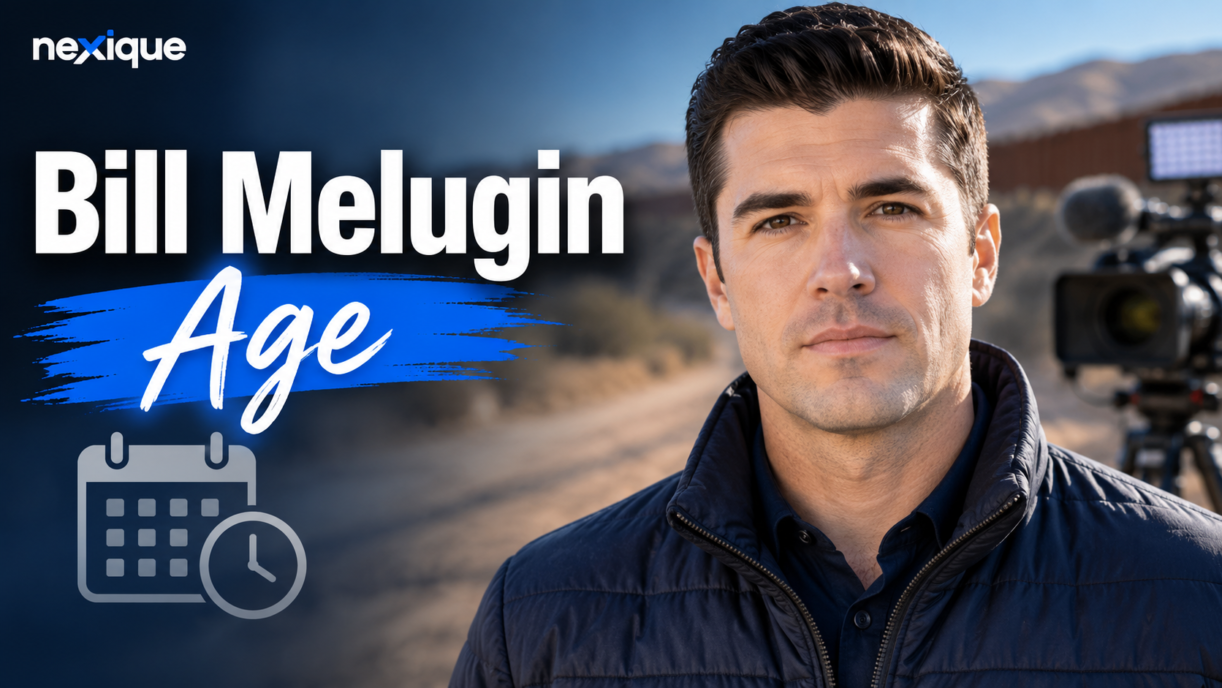
Curiosity about bill melugin age has surged online, but the interest goes far beyond a simple number. Every time the Fox News national correspondent appears at the center of a major immigration story or breaks exclusive reporting from the U.S.-Mexico border, search traffic spikes as viewers look for more information about the journalist behind the headlines.
That renewed attention reflects a broader trend in digital media. Audiences increasingly want to know not only what reporters are covering but also who they are, where they came from, and how they built their careers. In Bill Melugin’s case, his rise from local television news to one of America’s most recognizable field correspondents has fueled growing public curiosity. His age has become one of the most searched aspects of his biography, alongside his career history, education, and reporting style.
Why Bill Melugin Age Has Become a Trending Search
Search engines often reveal what captures public attention in real time. The phrase bill melugin age consistently appears alongside searches for his reporting assignments, social media presence, and television appearances. While age itself may seem like a minor detail, it frequently serves as an entry point for readers seeking a fuller understanding of public figures.
The latest wave of searches follows Melugin’s continued coverage of immigration, border security, and national policy debates. His on-the-ground reporting regularly attracts millions of viewers across television and digital platforms, placing him in front of audiences that extend well beyond traditional cable news viewers. As visibility grows, so does interest in his personal and professional background.
Bill Melugin’s Career Shows a Rapid Rise in Broadcast Journalism
Understanding bill melugin age becomes more meaningful when viewed alongside the pace of his career. Before joining Fox News, Melugin established himself in local television journalism, earning recognition for investigative reporting that focused on public accountability and government oversight.
His reporting style combined traditional investigative techniques with visually compelling field coverage. That approach attracted industry recognition and helped build a reputation for persistence and detailed storytelling. Moving from regional reporting to national television represented a significant career milestone, especially in an increasingly competitive news landscape where experienced field correspondents remain highly valued.
As a national correspondent, Melugin has covered immigration policy, border enforcement operations, law enforcement developments, and breaking national stories. His work frequently places him in challenging reporting environments where firsthand observation and rapid verification are essential.
How Old Is Bill Melugin?
For readers searching bill melugin age, publicly available biographical information indicates that Bill Melugin was born on February 26, 1985. That makes him 41 years old in 2026.
Although the search term centers on his age, many readers are equally interested in how quickly he reached a prominent national reporting role. Becoming one of Fox News’ most recognizable field correspondents before his mid-forties reflects years of experience built across local broadcasting, investigative journalism, and live reporting.
Age alone rarely defines a journalist’s influence. Instead, experience accumulated through thousands of reporting hours, interviews, investigations, and breaking news assignments often carries greater significance. Melugin’s career illustrates how sustained field reporting can establish credibility across highly competitive media markets.
The Reporting Style That Keeps Audiences Watching
One reason bill melugin age continues trending is the visibility of his reporting. Unlike many studio-based journalists, Melugin frequently reports directly from locations where major developments unfold. Live coverage from border communities has become one of his defining assignments.
This style appeals to audiences seeking immediate updates supported by video evidence and firsthand observations. Field reporting often introduces logistical challenges, changing conditions, and rapidly evolving facts. Successfully navigating those circumstances requires preparation, adaptability, and careful verification before information reaches viewers.
Media analysts note that television audiences increasingly consume news through short video clips shared across multiple platforms rather than traditional scheduled broadcasts. Reporters capable of producing compelling visual journalism naturally attract wider public recognition, creating additional online searches related to their careers and personal backgrounds.
Why Public Interest Extends Beyond Journalism
The popularity of searches for bill melugin age reflects broader changes in how audiences interact with news personalities. Social media platforms have blurred the distinction between journalists and public figures, encouraging viewers to follow correspondents as individuals rather than simply as news presenters.
That shift has transformed audience behavior. People often search for educational background, previous employers, career achievements, and personal milestones after watching major news coverage. While professional accomplishments remain central, biographical details help viewers contextualize the person delivering complex stories.
This phenomenon isn’t unique to Melugin. Reporters covering politics, international affairs, crime, and national security frequently experience similar spikes in search interest following major breaking-news events. Increased visibility naturally fuels curiosity about their experience and professional journey.
The Digital News Landscape Has Changed Audience Behavior
Interest in bill melugin age also highlights how search engines have evolved into discovery platforms. Readers no longer search only for breaking headlines. They increasingly explore background information, career timelines, and professional biographies immediately after consuming a news story.
Google Discover, social feeds, and recommendation algorithms reinforce this behavior by surfacing related content that expands beyond the original headline. As a result, journalists themselves often become subjects of trending searches whenever their reporting reaches large audiences.
For publishers, this represents an important editorial opportunity. Readers value contextual reporting that explains why a journalist matters, how their expertise developed, and what distinguishes their reporting from broader media coverage. Well-researched biographical articles meet that demand while supporting long-term search visibility.
The growing emphasis on trustworthy reporting has also elevated interest in journalists’ professional credentials. Audiences increasingly assess experience, previous reporting, and newsroom reputation as part of deciding which sources they trust.
What Happens Next for Bill Melugin?
As immigration policy, border security, and national political debates continue generating headlines, searches for bill melugin age are likely to remain active whenever Melugin appears at the center of major coverage. Public interest tends to rise alongside high-profile reporting assignments, especially during election cycles and significant policy announcements.
Looking ahead, Melugin’s role within national journalism will likely continue evolving alongside changes in digital news consumption. Live reporting, multimedia storytelling, and direct audience engagement have become increasingly important for modern correspondents, and his career reflects those broader industry shifts.
Whether readers initially search for his age or his latest reporting, many ultimately discover a broader story about career development, investigative journalism, and the changing relationship between reporters and their audiences.
Conclusion
The popularity of bill melugin age demonstrates how modern audiences engage with journalism beyond the headlines. While the answer is straightforward—Bill Melugin is 41 years old as of 2026—the broader interest reflects his growing prominence in American broadcast news and his consistent presence on major national stories.
As digital audiences continue following reporters across television, websites, and social platforms, curiosity about their backgrounds is unlikely to fade. For readers, understanding the people behind the reporting adds valuable context to the news itself. Staying informed about trusted journalists and the stories they cover remains just as important as following the headlines that first capture public attention.
