
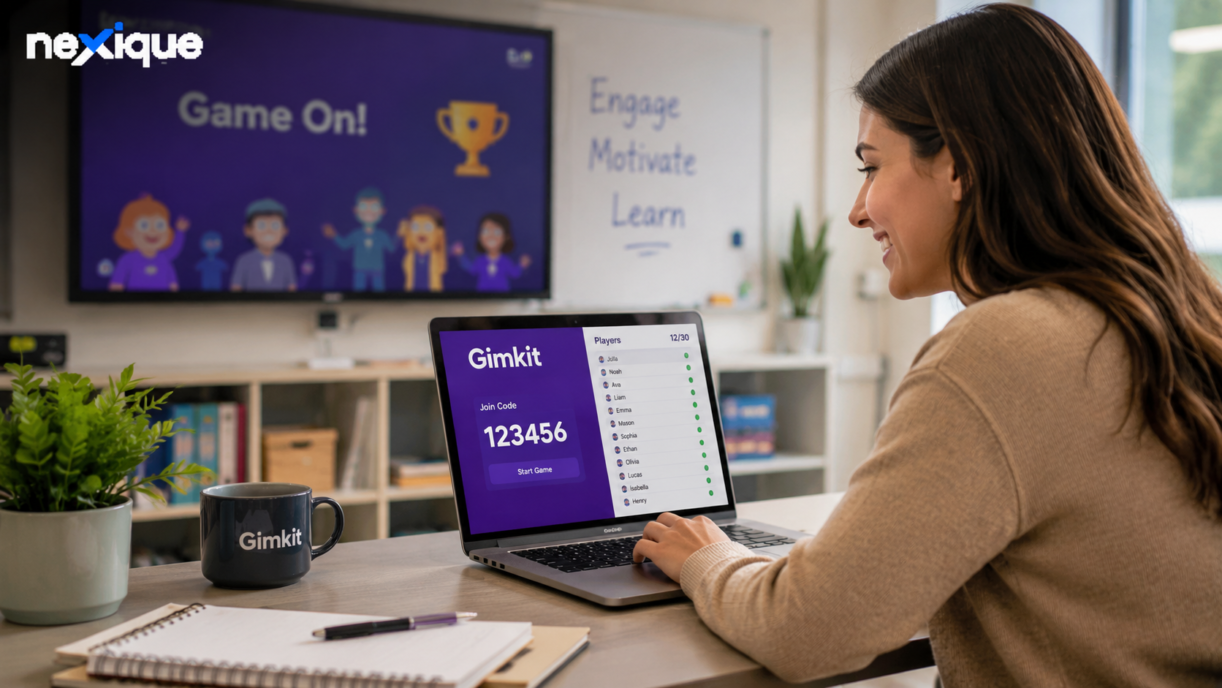
What Is a Gimkit Host and Why Does It Matter?
A Gimkit host plays a central role in creating engaging classroom experiences through interactive quiz-based learning. Whether you are a teacher, trainer, tutor, or presenter, becoming a Gimkit host allows you to organize live educational games that encourage participation, teamwork, and healthy competition. Unlike traditional quizzes, Gimkit transforms learning into an exciting activity where participants answer questions, earn virtual currency, and unlock upgrades while reinforcing their understanding of the subject.
The popularity of Gimkit has grown significantly because it combines education with elements of gaming. Students often remain more focused when lessons feel enjoyable rather than repetitive. A Gimkit host has complete control over how a game is set up, including selecting question sets, adjusting game modes, managing players, and reviewing performance after the session ends. This flexibility makes the platform suitable for classrooms of all sizes and for learners of different age groups.
As digital education continues to evolve, interactive learning platforms have become valuable teaching tools. Hosting a Gimkit session provides educators with an opportunity to assess knowledge in real time while creating a positive classroom atmosphere where students are motivated to participate actively.
Understanding the Role of a Gimkit Host
The responsibilities of a Gimkit host extend far beyond simply launching a quiz. Hosting requires planning, organization, and the ability to adapt gameplay according to educational objectives. Before starting a session, the host selects or creates a question kit that matches the lesson being taught. Questions can cover virtually any subject, including mathematics, science, history, geography, literature, or foreign languages.
Once the game begins, the Gimkit host monitors player participation and ensures everyone understands the rules. Different game modes provide unique experiences, allowing the host to choose the format that best supports classroom engagement. Some modes encourage individual competition, while others promote teamwork and collaboration.
A skilled host also observes student performance throughout the game. If learners struggle with particular questions, those areas can become discussion points after the activity. This immediate feedback transforms quizzes into meaningful learning experiences rather than simple assessments.
Hosting successfully involves balancing entertainment with educational value. The goal is to keep students engaged without distracting them from the lesson itself.
How a Gimkit Host Creates an Engaging Learning Environment
One reason many educators appreciate being a Gimkit host is the platform’s ability to increase classroom participation. Students who may hesitate to answer questions during traditional lessons often become more confident in a game-based environment.
Interactive features encourage learners to stay focused because every correct answer contributes to their progress within the game. Virtual rewards and strategic upgrades introduce an additional layer of excitement that keeps students motivated from beginning to end.
A Gimkit host can customize gameplay according to classroom needs. Time limits, question order, scoring methods, and player settings may all be adjusted to create an experience that aligns with learning goals. This flexibility allows teachers to use Gimkit for review sessions, formative assessments, exam preparation, and even introductory lessons.
The atmosphere created during gameplay is equally important. Positive encouragement from the host helps students remain engaged even when they answer questions incorrectly. Rather than viewing mistakes as failures, learners see them as opportunities to improve.
Preparing to Become an Effective Gimkit Host
Preparation is one of the most important aspects of successful hosting. Before launching any game, the Gimkit host should carefully review the selected question set for accuracy, relevance, and appropriate difficulty.
Questions should match the learning objectives of the lesson. If the quiz is too easy, students may lose interest. If it is too difficult, participation can decrease due to frustration. Finding the right balance keeps learners challenged while maintaining confidence.
It is also beneficial to test the game settings beforehand. Checking timers, game modes, scoring options, and player limits helps avoid technical interruptions during the session.
Classroom management remains another important responsibility. Establishing clear expectations before gameplay begins ensures students understand appropriate behavior, collaboration rules, and participation guidelines. A well-prepared host creates a smoother experience for everyone involved.
Features That Make a Gimkit Host Stand Out
Several features make the role of a Gimkit host especially valuable in modern education. One of the biggest advantages is customization. Hosts can create original question sets tailored specifically to their curriculum instead of relying solely on pre-existing content.
Real-time monitoring enables the host to observe student progress throughout the game. Participation rates, accuracy, and engagement levels become visible during gameplay, allowing teachers to adjust instruction when necessary.
The platform also supports multiple game experiences that prevent lessons from becoming repetitive. Changing game modes throughout the school year keeps students interested and encourages continued participation.
Another valuable feature is post-game analysis. After each session, the Gimkit host can review detailed reports showing which questions students answered correctly and where misunderstandings occurred. These insights help teachers refine future lessons and provide targeted support to students who need additional practice.
Classroom Benefits of Being a Gimkit Host
The educational advantages of hosting extend beyond simple entertainment. Students often retain information more effectively when they actively participate rather than passively listen. Interactive learning encourages stronger memory retention because learners repeatedly engage with important concepts throughout gameplay.
A Gimkit host creates opportunities for immediate feedback. Students quickly discover which answers are correct and can identify knowledge gaps while the lesson remains fresh in their minds. This immediate reinforcement improves understanding and helps reduce misconceptions before they become long-term learning obstacles.
Motivation also increases significantly during game-based learning. Friendly competition encourages students to stay attentive throughout the activity, while rewards create additional excitement that supports sustained engagement.
Collaboration becomes another benefit when team-based game modes are used. Students communicate with classmates, share ideas, and solve problems together, strengthening both academic understanding and interpersonal skills.
Common Challenges Every Gimkit Host May Face
Although hosting offers many advantages, every Gimkit host may occasionally encounter challenges during gameplay. Technical issues such as unstable internet connections can interrupt sessions, especially in classrooms with limited network capacity.
Student behavior may also require careful management. Competitive games sometimes lead to excessive excitement, making it important for the host to maintain a positive learning environment while ensuring respectful participation.
Question quality represents another potential challenge. Poorly written or confusing questions may reduce educational value and create unnecessary frustration among players. Reviewing question sets before hosting helps eliminate this issue.
Time management is equally important. Allowing too much time for gameplay may reduce instructional opportunities later in the lesson, while ending the game too quickly may prevent students from fully engaging. Finding an appropriate balance improves the overall classroom experience.
Tips for Hosting Successful Gimkit Sessions
Every experienced Gimkit host develops techniques that improve engagement over time. Starting with a brief explanation of game rules helps students understand expectations before competition begins.
Encouraging participation from every learner creates a more inclusive classroom atmosphere. Celebrating improvement rather than focusing only on high scores motivates students with different ability levels to remain involved throughout the session.
Refreshing question sets regularly also keeps gameplay interesting. Introducing new topics and varied question styles prevents students from simply memorizing answers and instead promotes genuine understanding.
Following each game with a classroom discussion increases educational value. Reviewing difficult questions allows students to clarify misunderstandings while reinforcing key concepts introduced during gameplay.
Consistency also contributes to success. Incorporating Gimkit activities into regular classroom routines helps students become comfortable with the platform while maintaining enthusiasm for future lessons.
The Future of the Gimkit Host Experience
Educational technology continues evolving rapidly, and the role of the Gimkit host is likely to become even more significant in digital learning environments. Schools increasingly recognize the importance of combining technology with active participation to improve student outcomes.
As classrooms adopt more personalized learning strategies, hosts can use interactive platforms to accommodate different learning styles. Visual learners, competitive learners, and collaborative learners all benefit from the flexibility offered through game-based education.
Future improvements may introduce additional customization options, expanded analytics, enhanced collaboration tools, and even more immersive game experiences. These developments could further strengthen the educational value of interactive classroom platforms while making hosting easier for educators.
Teachers who embrace digital learning methods today position themselves to adapt more effectively as educational technology continues advancing. Becoming a confident Gimkit host represents an investment in both classroom engagement and long-term instructional effectiveness.
Conclusion
The role of a Gimkit host extends far beyond starting a classroom game. Effective hosting combines thoughtful preparation, engaging instruction, real-time observation, and meaningful feedback to create memorable learning experiences. By transforming quizzes into interactive challenges, hosts encourage students to participate actively while strengthening knowledge retention and classroom collaboration.
Whether used for daily reviews, exam preparation, or introducing new concepts, hosting provides educators with a flexible and enjoyable way to support learning. As technology continues reshaping education, the importance of interactive teaching strategies will only continue to grow. Teachers who master the skills of a Gimkit host can create classrooms where learning feels exciting, participation becomes natural, and students remain motivated to achieve their academic goals.
